The Knowledge Base
Forty-two guides in eight chapters, written to be read in order or dipped into by topic — from the safety and legal groundwork every distiller needs, through fermentation and measurement, to stills, cuts, spirit styles, oak aging, and the history of the craft. Every article is original, sourced, and paired with the calculators in the Tools section.
Learning paths
Short on time? Follow one of these paths instead of reading cover to cover.
- Your first ferment (Beginner). Safety → Legality → Moonshine Basics & History → Choosing a Still → Yeast Starter → Fermentable Sugars → Recipes (sugar wash) → Cleaning Runs → Foreshots → Making Cuts.
- From wash to bottle (Intermediate). The beginner path, then Fermentation Yields → Water & Yeast Nutrients → Fermentation Temperature Control → Mashing Grain → Hydrometer vs Alcoholometer → Sugar Scales → Still Types → Heating & Control → Condensers → Distillation Techniques → Stripping Runs vs. Spirit Runs → Troubleshooting a Run → Still Accessories → Oak Aging → Proofing Down → Aging & Storing.
- Going deeper (Advanced). The intermediate path, then Yeast Washing & Ranching → Equipment & DIY Builds → Building a Pot Still → the Spirit Guides for the style you want to make.
Chapter 1 — Start Here
Read these before you buy equipment or start a ferment. They cover the rules that keep you safe and legal.
-
 Safety Hub Beginner
Foreshots and methanol, fire and ventilation, pressure dangers, safe materials, cleaning runs, and safe storage. The single most important page on this site. -
 Legality Hub Beginner
What the law says about home distilling in the United States, Canada, the United Kingdom, Australia, New Zealand, and the EU — with primary sources, a clear disclaimer, and a FAQ.
Chapter 2 — Fermentation
Fermentation is where your alcohol is actually made. These guides cover the yeast, the sugars, the water, and what to do when a ferment stalls.
-
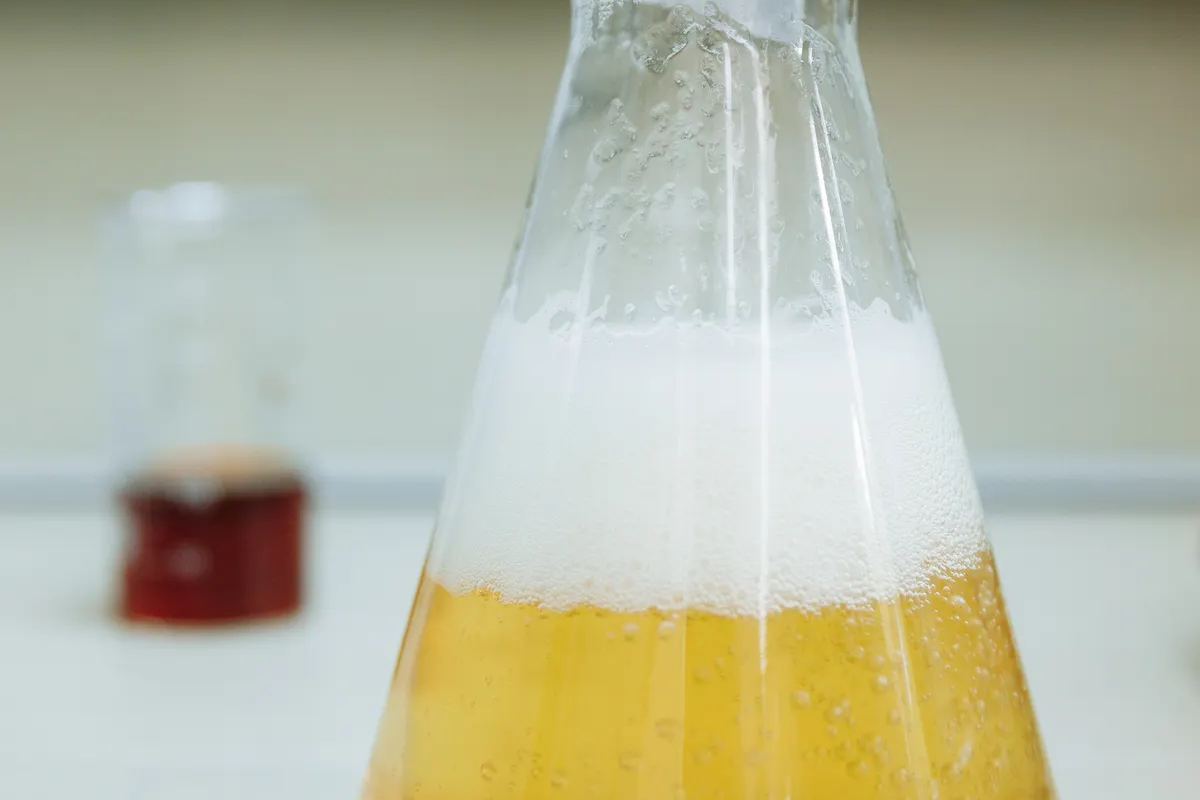 How to Make a Yeast Starter Beginner
Grow a healthy, active yeast colony before brew day. When a starter is worth the effort, what you need, and a step-by-step method using dry malt extract. -
 Water & Yeast Nutrients Intermediate
Good water and fed yeast make clean ferments: chlorine and chloramine, minerals, pH, and nutrients from DAP to tomato paste. -
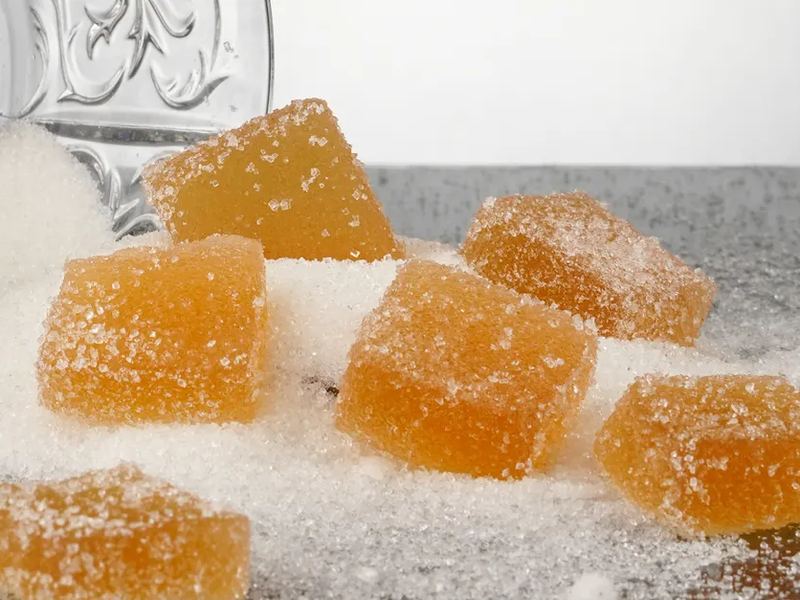 Fermentable Sugars: What Yeast Can Eat Beginner
Sucrose, dextrose, fructose, maltose, honey, molasses — what yeast can eat, what it can't, and how much alcohol each sugar can yield. -
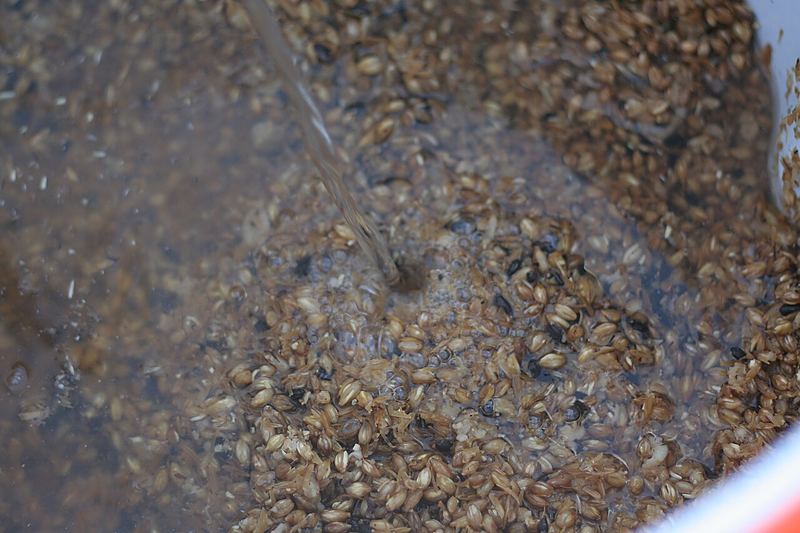 Mashing Grain: Gelatinisation and Conversion Intermediate
Gelatinisation, saccharification, and the enzyme rests — plus the iodine starch test, cooking adjuncts, and lautering vs fermenting on the grain. -
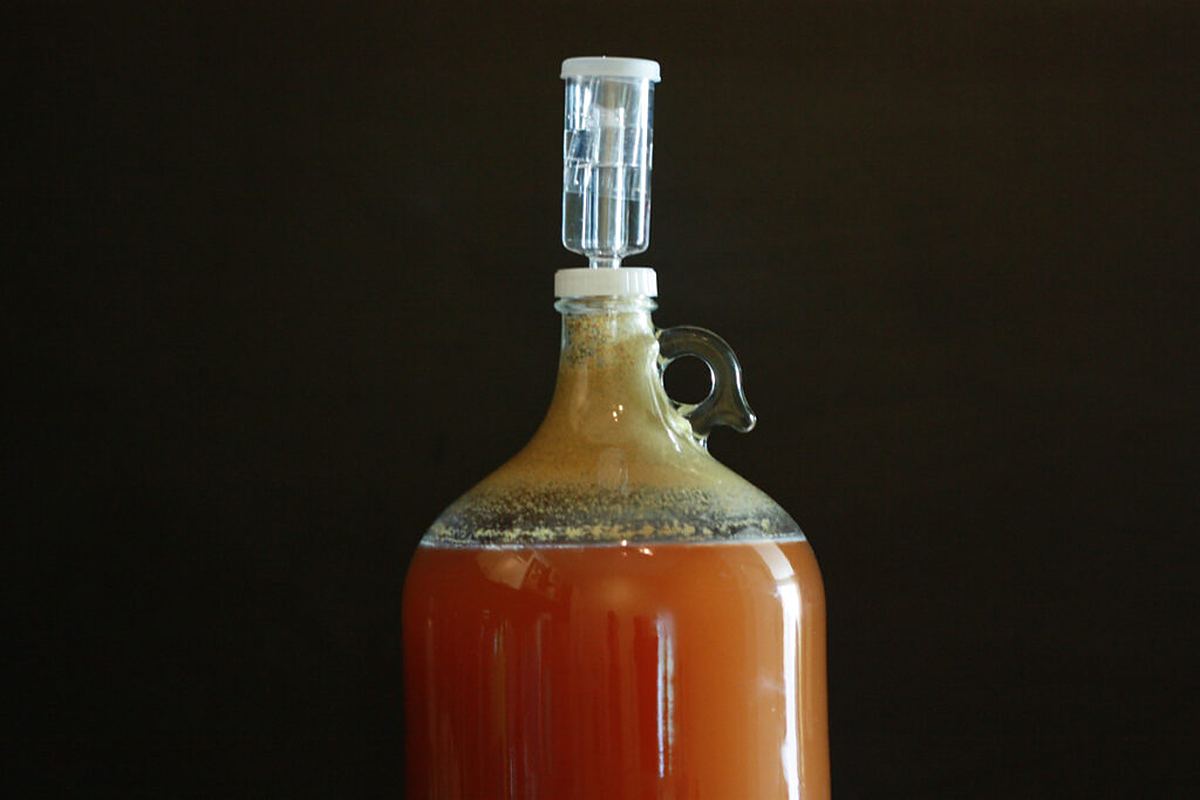 Fermentation Yields: How Much Alcohol Can a Wash Make? Intermediate
The chemistry of sugar to ethanol, why yeast stops at 14–20% ABV depending on strain, and how to work out the theoretical maximum yield of a wash. -
 Stuck Fermentations: Diagnosis and Fixes Intermediate
How to tell a stuck ferment from a slow one, the usual causes — temperature, pH, nutrients, yeast health — and a fix-it-in-order protocol that starts with the least invasive step. -
Yeast Washing & Ranching Advanced
Harvest, wash, and store yeast from a finished ferment, capture strains from bottle dregs, isolate colonies on plates, and keep a yeast bank on agar slants.
Chapter 3 — Measurement
Two instruments, five scales, and the readings every batch depends on. Get these right and the rest of the process becomes predictable.
-
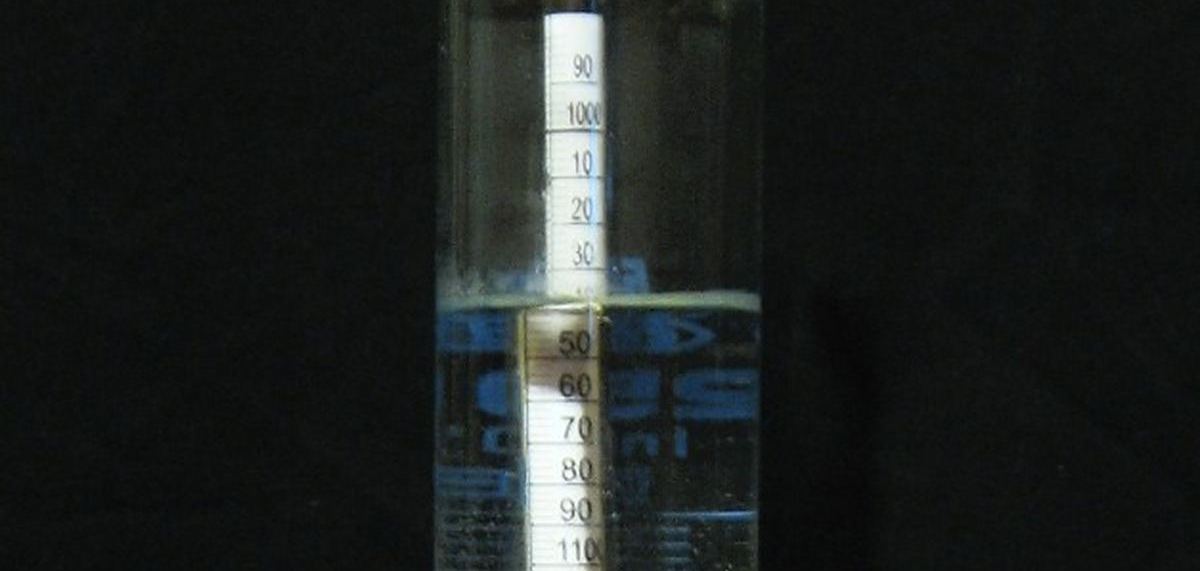 How to Use a Hydrometer Beginner
The triple-scale hydrometer: specific gravity, Brix, and potential alcohol. How to take a reading, read the meniscus, correct for temperature, and turn gravity readings into ABV. -
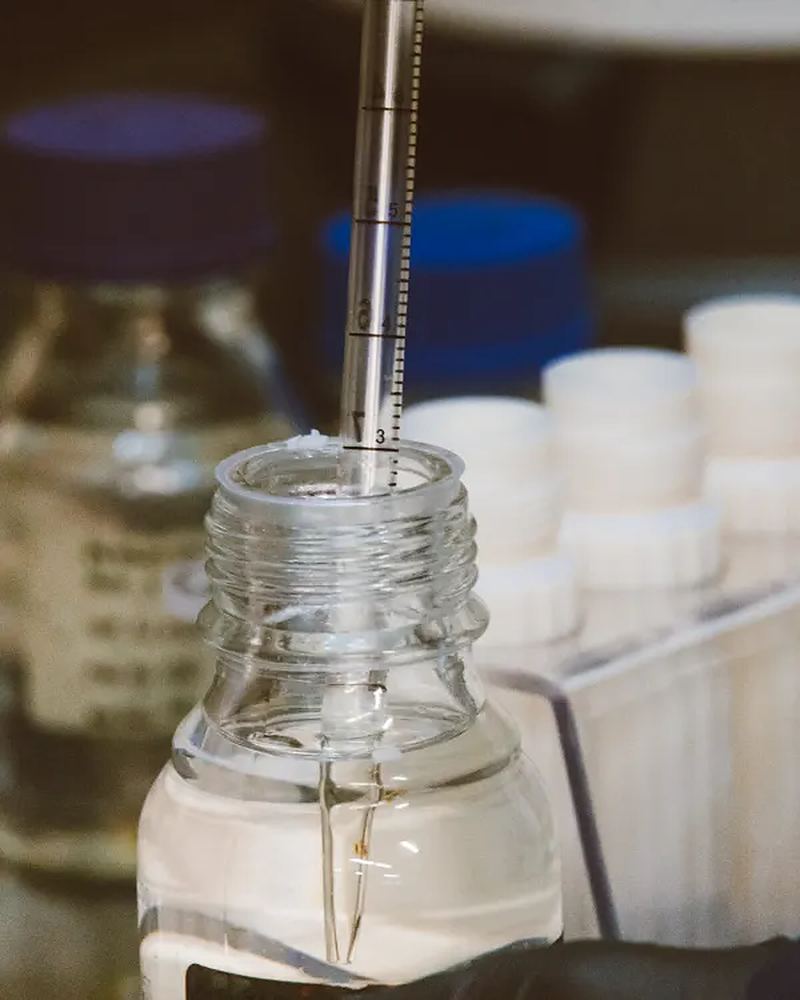 Hydrometer vs Alcoholometer Beginner
Two instruments that look alike and measure different things: which one to reach for, and why each gives nonsense in the other's job. -
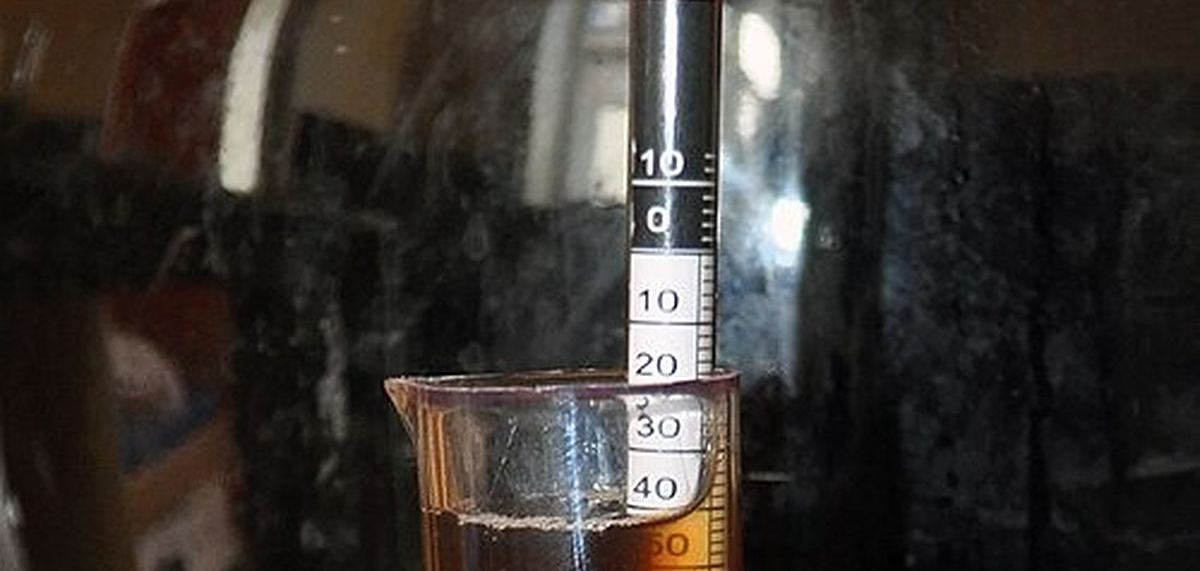 How to Use an Alcoholometer Intermediate
The proof hydrometer measures ABV directly — but only in distilled spirits with no residual sugar. How to take a reading, correct for temperature, and know when the reading cannot be trusted. -
Sugar Scales: Brix, Plato, Oechsle & Baumé Intermediate
What each scale measures, how they convert, when each is used, and whether to reach for a hydrometer or a refractometer.
Chapter 4 — Equipment & the Still
Choosing, building, heating, cooling, and accessorising your still — plus temperature control for fermentation — including the safety rules that are not optional.
-
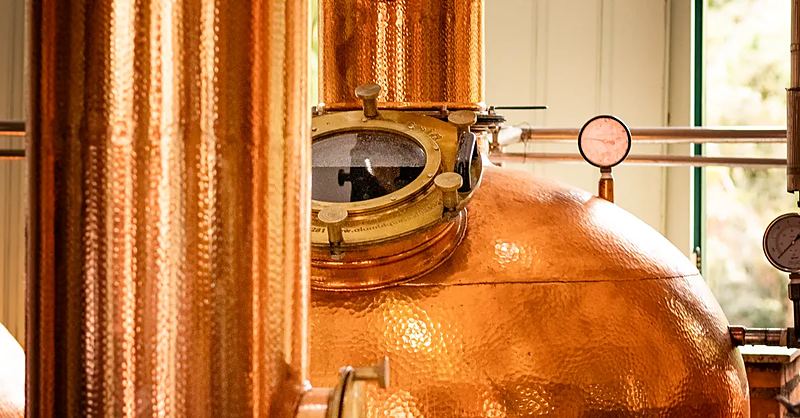 Still Types: Pot vs Reflux vs Column Intermediate
Pot, reflux, column, and hybrid stills: how each works, what each is good for, and how to choose your first still. -
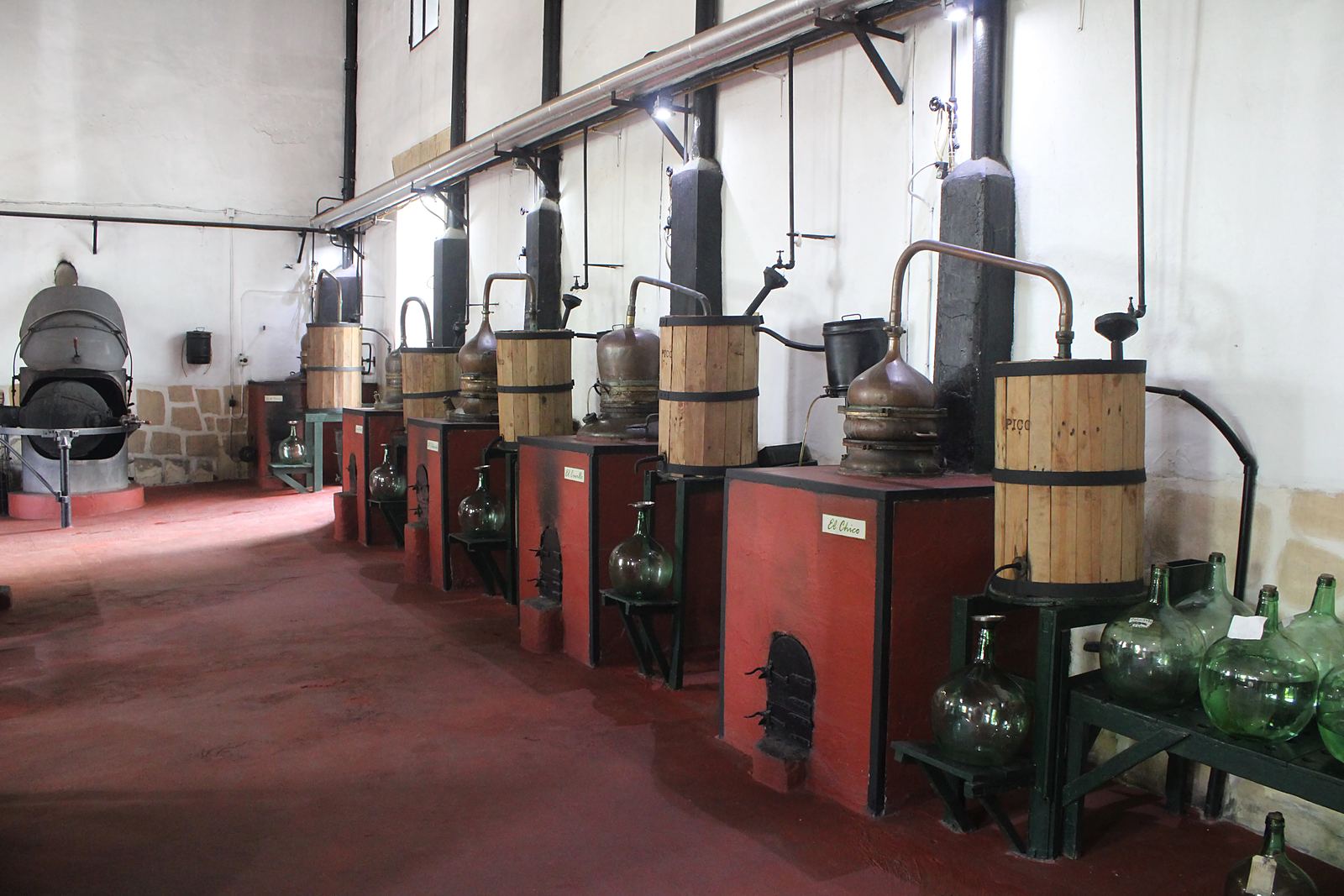 Equipment & DIY Builds Advanced
Building a pot still safely: approved materials, forbidden ones, pressure safety, fermenters, and heating — plus what to buy instead. -
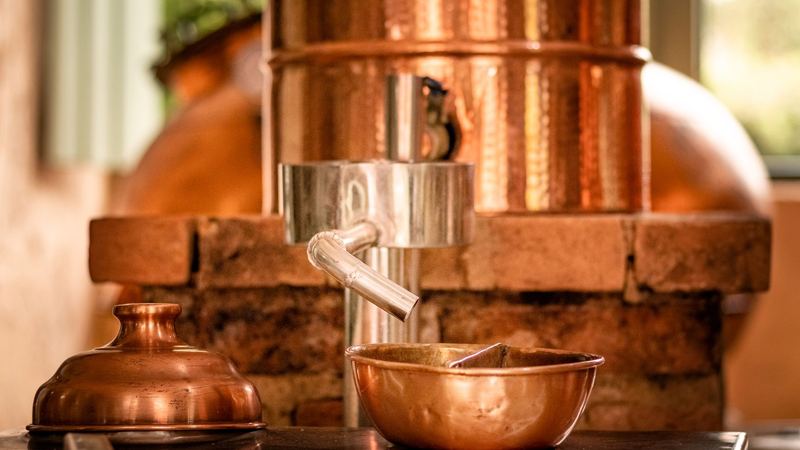 Distillation Techniques & Equipment Intermediate
Stripping runs and spirit runs, single and double distillation, heat sources, and condenser types from worm to shotgun. -
 Cleaning Runs & Still Maintenance Beginner
The vinegar run and sacrificial run before first use, the after-run routine, descaling copper, and keeping gaskets and seals sound. -
Choosing a Still Beginner
Which still suits which spirit: pot, reflux, column, hybrid, alembic, air still, and T500 — and what to look for when buying, from fittings and condenser capacity to red flags. -
Building a Pot Still Advanced
A step-by-step DIY pot-still build: parts, soldering copper, flour-paste seals, and leak testing — with the safety rules that are not optional. -
Heating & Control Intermediate
Electric elements, PID controllers, thermocouples, and power controllers — and the electrical safety rules for mains-voltage still work. -
Condensers Intermediate
Liebig, shotgun, worm, and dephlegmator: how each condenser works, how to size it, and how much cooling water it needs. -
Fermentation Temperature Control Intermediate
Why temperature makes or breaks a ferment, ideal ranges by yeast, and practical setups from heat belts to keezers. -
Still Accessories Intermediate
Thumpers, parrots, gin baskets, thermometers, and collection vessels — what each adds, and the safety rules each must obey.
Chapter 5 — The Run
Distillation day: separating the fractions, following a proven recipe, and measuring what comes off the still.
-
Stripping Runs vs. Spirit Runs Intermediate
Two passes, one goal: when to strip, when to go straight to a spirit run, and how to handle low wines between them. -
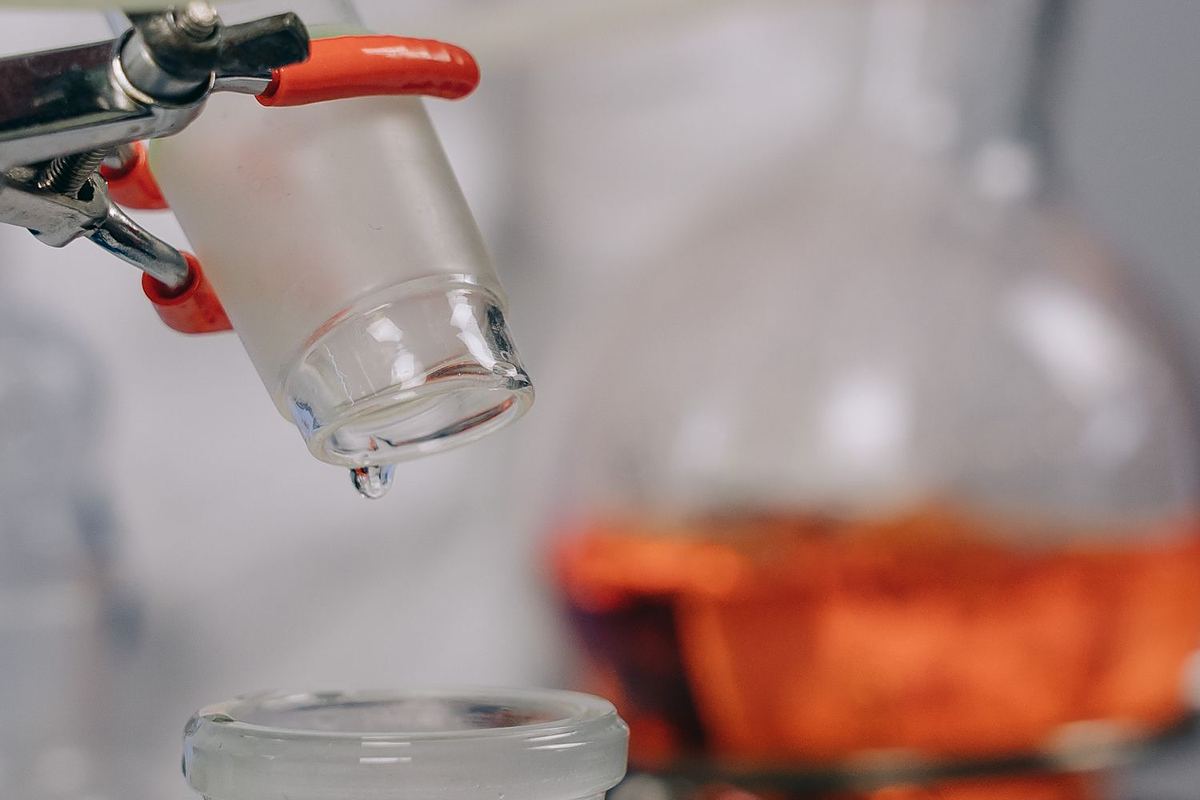 Foreshots: Why the First Drops Must Be Discarded Intermediate
Methanol, acetone, and acetaldehyde come off the still first. How much to discard for your batch size, why the rules of thumb are only starting points, and why foreshots are never drinkable. -
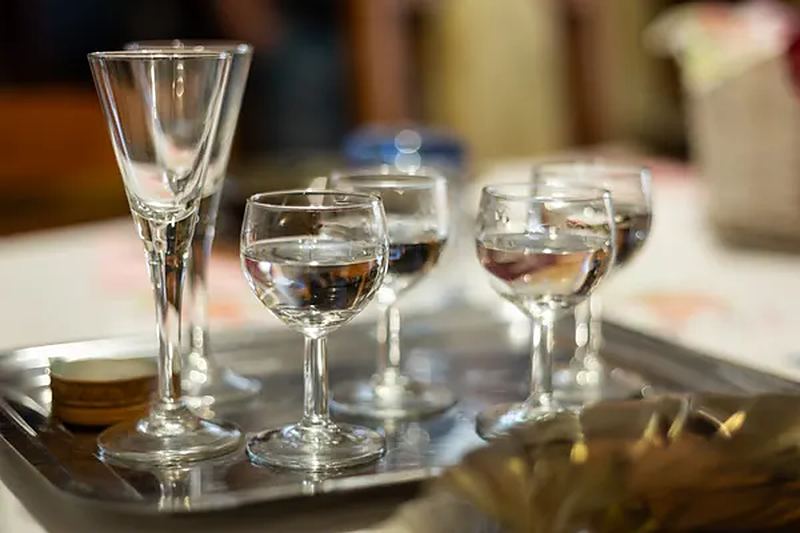 Making Cuts: Heads, Hearts & Tails Intermediate
Heads, hearts, and tails in detail: sensory cues, the numbered-jar method, feints, and how to blend your cuts back together. -
Troubleshooting a Run Intermediate
Puking, smearing, stalls, and off flavours — symptom by symptom, with the likely cause and the fix for each. -
Recipes
Twelve tested recipes in five categories — sugar washes, grain mashes, fruit and potato washes, rum, and flavoured infusions — each with a batch scaler that resizes every ingredient to your fermenter.
Chapter 6 — Spirit Guides
One guide per spirit: the base ingredients, fermentation, distillation, cuts, and aging that make each style what it is.
-
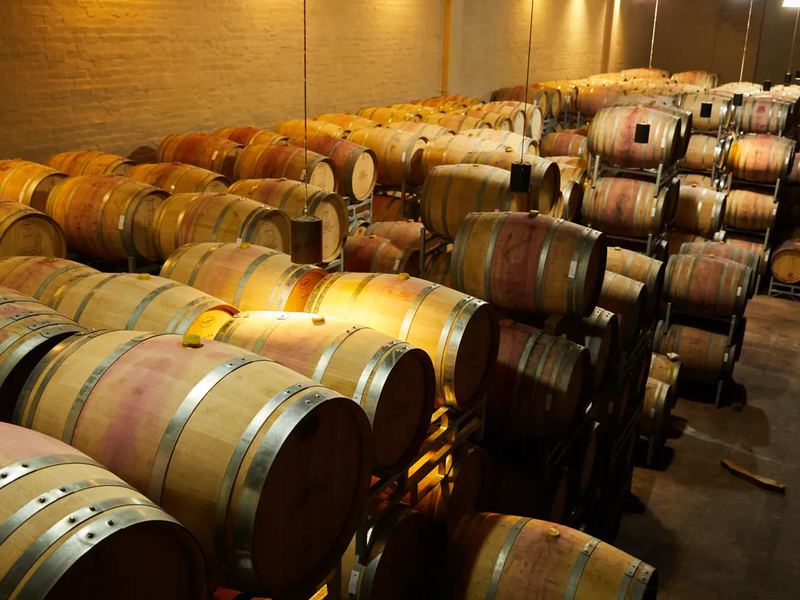 Whiskey: Grain to Glass Intermediate
Mashing, fermentation, pot and column distillation, cuts, and oak aging — plus bourbon, Scotch, and rye. -
Vodka: The Neutral Spirit Intermediate
The neutral spirit: reflux distillation, multiple passes, carbon filtering, and dilution to bottling strength. -
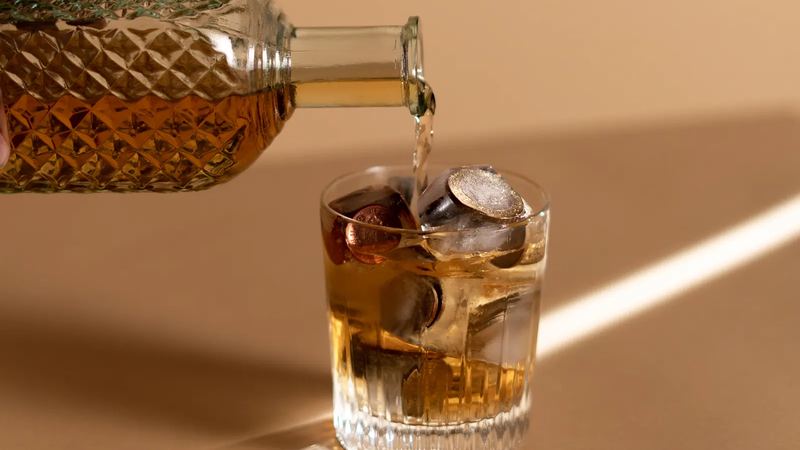 Rum: Molasses & Cane Intermediate
Molasses and cane juice, dunder and fermentation traditions, pot vs column, and the styles from white to agricole. -
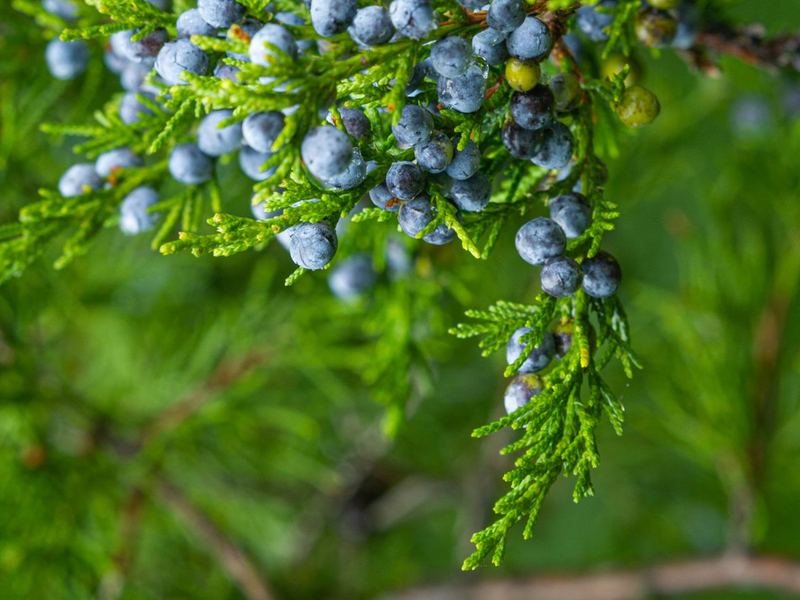 Gin: Botanicals & Vapour Infusion Intermediate
Juniper and botanicals: maceration vs vapour infusion, cuts with botanicals present, and dilution to bottling strength. -
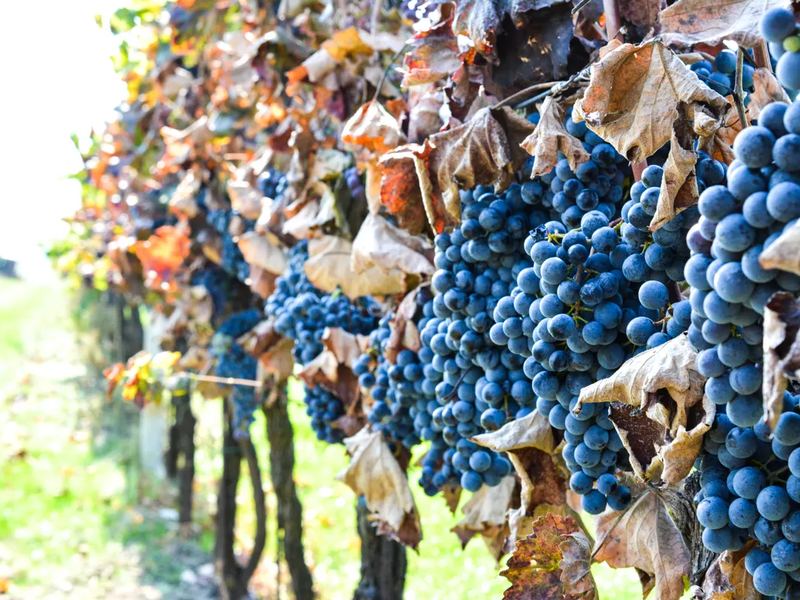 Brandy: Distilled Wine & Fruit Intermediate
Distilled wine and fruit: double distillation in pot stills, oak aging, and fruit brandies and eau-de-vie. -
Agave Spirits: Tequila & Mezcal Styles Intermediate
Agave spirits in the mezcal style: roasting, wild fermentation, and double distillation — and why true tequila can only come from Mexico.
Chapter 7 — Aging, Flavour & Storage
What happens after distillation: oak, time, flavouring, and keeping finished spirit at its best.
-
Oak Aging Deep-Dive: Barrels, Time & Flavour Intermediate
What the barrel does: oak species, char and toast chemistry, barrel size, climate, angel's share, and finishing. -
Oak Aging Without a Barrel Intermediate
Chips, cubes, spirals, and staves: how to oak spirit without a barrel, how much to use, and how to avoid over-oaking. -
Proofing Down: Diluting to Drinking Strength Beginner
Diluting to drinking strength: why to proof slowly, how long to rest, filtration options, and why the water must always be potable. -
Aging & Storing Spirits Beginner
Glass stops the clock and oak doesn't: storage proof, light, temperature, how long bottles keep, and safe storage. -
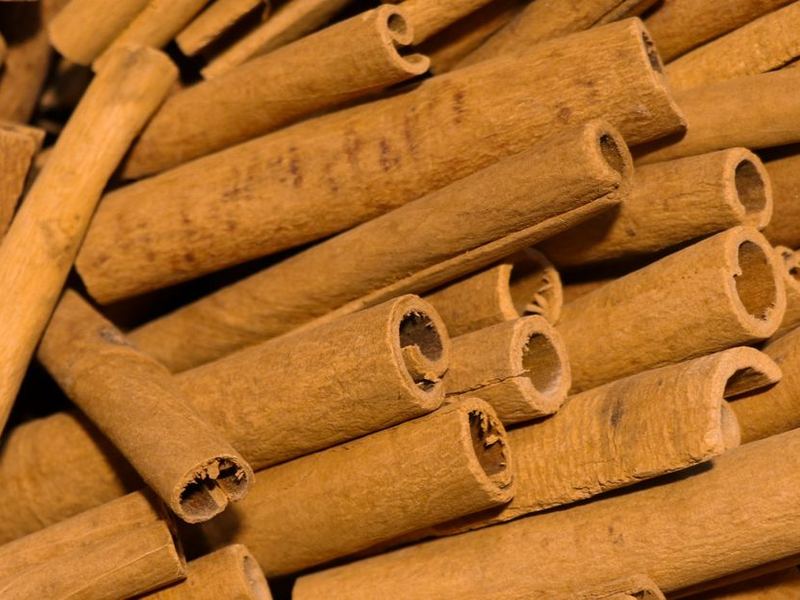 Flavouring Moonshine: FAQ Beginner
Fruit, spices, oak, and essences: how to flavour moonshine, how long to infuse, and which ingredients are food-safe.
Chapter 8 — History & the Old Books
The story of the craft, told from the books that taught it — the moonshine tradition, and M. L. Byrn's 1853 manual, mined for what an 1850s distillery actually looked like. More pieces are on their way as older texts are transcribed.
-
Moonshine Basics & History Beginner
What moonshine is, where the name comes from, the whiskey tax and the Whiskey Rebellion, Prohibition and the NASCAR connection — and how the modern hobby differs. -
Distilling in the 1850s: Inside Byrn's Manual Intermediate
A walk through an 1850s distillery from M. L. Byrn's 1853 manual — deep cellars, coal-fired still-rooms, Adam's bubbling eggs, floor malting, and rectification — and how much of the working day a modern distiller would recognise. -
The First Continuous Stills Intermediate
Counter-current columns, reflux pipes, wine-warming condensers, and float regulators — how the 1850s invented the column still, mapped part by part onto the modern plated column. -
Why Only the Worst Wine Became Brandy Beginner
The 1850s French brandy economy: only wine too poor to sell was "condemned to the still" — and the discovery that brandy colour comes from oak.
Sources
This hub page links to the guides above; sources for the facts in each guide are listed at the end of that guide. The curriculum structure draws on the topic coverage of the major community resources, including the HomeDistiller wiki (homedistiller.org/wiki) and the Still It / Chase the Craft episode guide (chasethecraft.com).