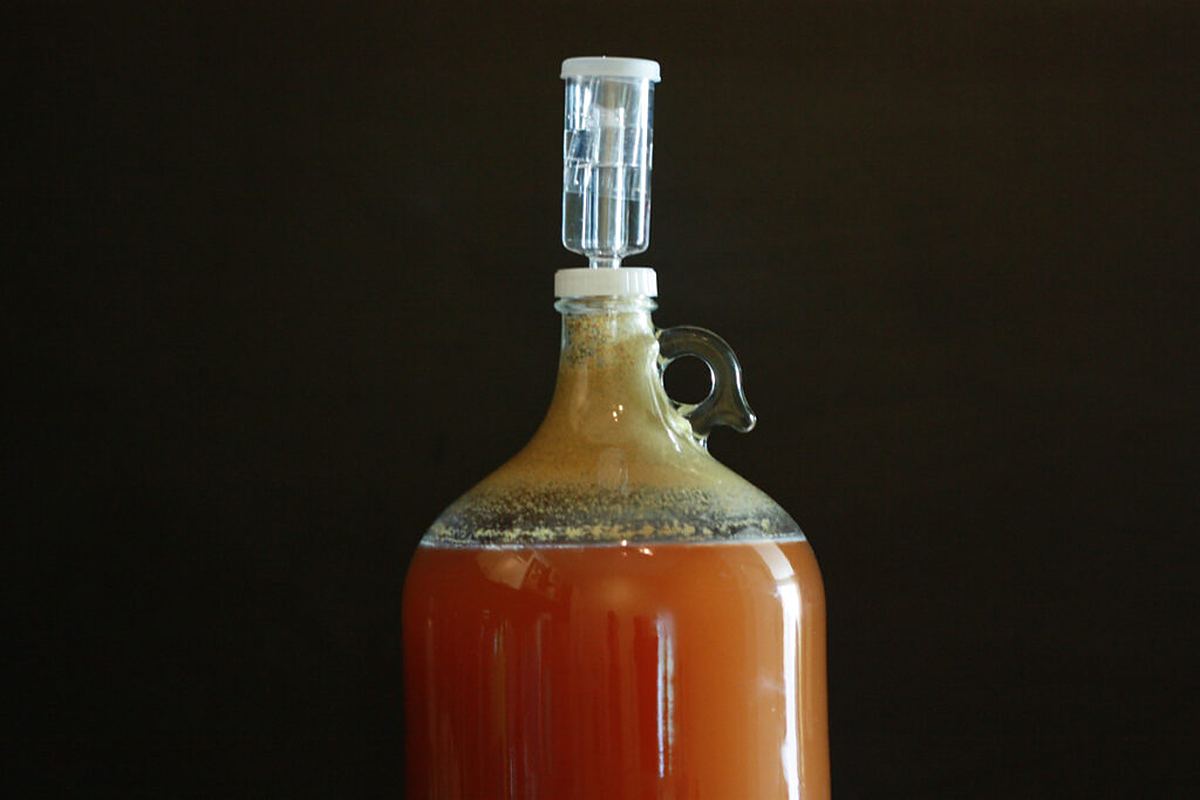
All-Molasses Rum Wash
Rum begins with sugar cane, and the simplest honest version starts with nothing but molasses, water, nutrients, and yeast — no refined sugar at all. This is "SBB's All Molasses Rum," a long-running Tried and True recipe from the HomeDistiller forums, developed over dozens of generations of reuse.
Before you start: read the Safety guide first. Fermentation itself is low-risk, but everything this wash is destined for involves flammable vapour, high temperatures, and — in many places — legal restrictions; the Legality guide explains the legal picture. A hydrometer and a clean fermenter are taken for granted below — though, as the molasses section explains, the hydrometer needs interpreting on this wash.
Blackstrap molasses is the usual choice: it is the darkest, least sweet grade, and it carries the deep, funky character that makes a rum taste like rum rather than like neutral spirit. Feed-grade molasses from an agricultural supplier is the same product at a fraction of the grocery price, and is what most makers use. The recipe's defining choice is what it leaves out — there is no refined sugar anywhere in it, so every drop of alcohol and every note of flavour comes from the molasses itself. That is also what makes the recipe worth doing more than once: the spent wash from each run, the dunder, goes back into the next batch, and the character deepens with every generation. If you want to push that idea much further, toward the funky, high-ester Jamaican style, see the Jamaican-style rum with dunder recipe — but start here first, because this wash teaches you how molasses behaves before you start deliberately infecting it.
Ingredients
- 8 L blackstrap molasses
- 1 capsule vitamin B-complex (contents only; or 1 crushed B-complex tablet)
- A good pinch of Epsom salts (magnesium sulfate)
- A generous handful of dried bakers yeast
- Hot and cold water to make up the batch volume
On later generations, replace the hot water with very hot dunder from the previous run — see the dunder tip below.
Method
- Pour the molasses into the fermenter and add 4–5 L of boiling or very hot water. Stir until the molasses is fully dissolved — cold molasses pours like tar and will not mix properly.
- Top up with cold water to about 25 L, then stir in the vitamin B and the Epsom salts. (The B vitamin goes in after the hot water, since high heat can destroy it.) Top up to 27 L.
- The wash should now be warm — roughly 35–38 °C (95–100 °F) in an average climate. That is on the warm side for pitching, but molasses ferments happily warm; if yours is hotter than that, wait for it to cool.
- Sprinkle in a generous handful of dried bakers yeast. Fit a lid or airlock and leave it alone.
- In warm weather the wash should finish in 5–7 days, sometimes sooner; in cool weather it may take longer. It is done when it has stopped fizzing and tastes dry and slightly sour. If it still tastes sweet, it is not done yet.
Reading a molasses wash
Do not expect a molasses wash to behave on a hydrometer the way a sugar wash does. Molasses contains a large fraction of unfermentable solids, so the final gravity will stay well above 1.000 even when fermentation is completely finished — the hydrometer simply cannot read zero on this wash. Judge doneness by a stable reading over two days, by the absence of fizzing, and by taste, rather than by chasing a particular final gravity number. The same solids are why it pays to let the wash settle and rack it carefully off the sediment before distilling: fine molasses solids scorch easily in the boiler, and scorched yeast can throw a burnt-rubber note into the spirit.
Expected results
Molasses is roughly 43–50% fermentable sugar by weight, so 8 L in a 27 L wash puts the potential alcohol at roughly 8–10% by volume — comparable published molasses washes report potentials of 9.5–10%. A strip run of the full wash typically yields low wines in the low 30s percent ABV, which are then combined for a slower spirit run where the hearts are taken for drinking or aging. The recipe's author also runs the wash single-pass through four plates, or strips one or two washes and mixes them about one-third low wines to two-thirds fresh wash for a 1.5-style run, and reports good results both ways. Because the hydrometer is unreliable here, treat the ABV as an estimate and rely on the strip-run calculator and your own measurements of the low wines instead.
Expect the new-make rum to be rough straight off the still. The recipe's author finds it improves noticeably after three months on oak, better again at six months, and keeps improving at twelve months and beyond — medium-toast American oak, in sticks or dominoes, is his preference, and he avoids heavy char and French oak in rum. Plan the aging time into the project from the start rather than judging the batch on the day it is made.
Tips
- Save the dunder. The spent liquid left in the boiler after a rum run is called dunder, and it is gold. On later generations, replace the hot water in step 1 with about 4 L of very hot dunder from the previous run; the recipe's author reports more than 50 generations without ever needing to adjust pH, and each generation builds more rum character. Pitch fresh yeast each time — the hot dunder kills the old yeast bed, which then becomes nutrients for the new pitch.
- Ferment warm and be patient. Molasses ferments are slower and less predictable than sugar washes. A cool room can stretch the ferment well past a week; warmth and a big yeast pitch are your friends.
- Strip hard, cut carefully. Run the stripping run as fast as your condenser allows, then take the spirit run slowly — rum's character lives in the late heads and early tails, so rushing the cuts throws away the very flavours you made the wash for. The recipe's author keeps hearts only, occasionally venturing into the very slightly headsy or tailsy jars.
- Let it settle before you run it. Rack the finished wash off its sediment and give it a day or two to clear. Molasses solids and dead yeast scorch in the boiler, and a burnt note is the one fault no amount of aging will fix.
Sources
- SBB, "SBB's All Molasses Rum Recipe" (Tried and True) — 27 L wash from 8 L molasses, vitamin B, Epsom salts, bakers yeast; 5–7 days in warm weather; done when it stops fizzing and tastes dry and sour; later generations use 4 L hot dunder instead of hot water; 50+ generations without pH adjustment; oak aging notes. homedistiller.org
- HomeDistiller forum, "All Panela & Blackstrap Molasses Rum" — blackstrap at 43% sugars; a 7-gallon molasses wash at 9.5% potential ABV; stripping to 2 gallons of low wines at 33% ABV. homedistiller.org
- HomeDistiller forum, "All molasses rum?" — a hydrometer will not read near zero on a finished molasses wash; judge doneness by a stable reading over two days. homedistiller.org