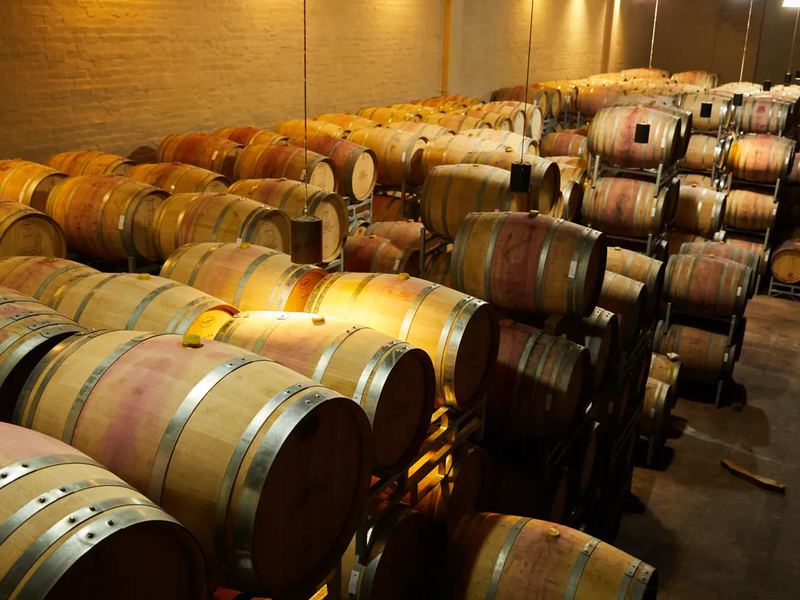
Jamaican-Style Rum with Dunder
Jamaican rum is the funkiest spirit in the world, and its funk is deliberate. This advanced recipe builds a high-ester rum the Jamaican way: a long, acidic ferment of molasses and dunder, dosed with cane vinegar and live muck from a dunder pit — and it trades yield for flavour without apology.
Before you start: read the Safety guide first. Everything this wash is destined for involves flammable vapour, high temperatures, and — in many places — legal restrictions; the Legality guide explains the legal picture. This is an advanced recipe: make the all-molasses rum wash first, run it a few times, and only then take on the pit. You will also need a pH meter or test strips and a high-tolerance yeast.
To understand this recipe, start with what makes Jamaican rum different. In most rum-making, the goal is a clean, fast ferment: yeast turns sugar into alcohol, and everything else is kept out. Jamaican high-ester rum inverts that. The ferment is deliberately made hostile — acidic, heavy with dunder, dosed with vinegar — so the yeast struggles and ferments slowly, over weeks instead of days. In that long, stressed ferment, acids and alcohols meet and combine into esters, the compounds that smell of banana, pineapple, overripe fruit, and varnish. The more acidic the wash, the more esters form — but the less alcohol survives, because the same acidity that builds flavour also wears the yeast down. That trade-off is the whole recipe: you are choosing flavour over yield, on purpose, and the yield figures below will look poor next to a clean rum wash. They are supposed to.
The proportions give a sense of how far this style sits from ordinary rum. The Hampden distillery's high-ester fermentation, as reconstructed from interviews and videos by home distillers, runs roughly two-fifths dunder, just under a third skimmings, and a tenth each of cane vinegar, muck, and molasses — the wash is mostly recycled and infected material, with fresh molasses as a minor ingredient. This recipe is a home-scale adaptation of that idea, based on a published HomeDistiller recipe drawn from Modern Caribbean Rum by Matt Pietrek and Carrie Smith. It skips the hardest-to-source elements — no fresh cane juice, no double-retort still — and keeps the parts a home distiller can actually do: dunder, vinegar, a long ferment, and a living pit.
The dunder pit: start this first
The dunder pit — also called a muck pit — is a bucket of spent dunder kept alive with bacteria, and it is the heart of the Jamaican style. It is also the reason this recipe takes months, not days, to set up. Dunder on its own is just the acidic liquid left behind in the still after a rum run; muck is dunder that has been deliberately infected and left to develop, so that lactic, propionic, and butyric acid-producing bacteria build up the acid precursors that later become esters. Those bacteria need time. The maker of the well-documented "Fakin' Jamaican Rum" added muck that was about two months old to his wash; Jamaican distillery pits run far longer than that, and the honest advice is to start the pit weeks to months before you plan to brew, and to judge it by smell rather than by the calendar.
Starting a pit is simple in outline and fussy in practice. Save dunder from a rum run into a lidded bucket, and feed it material that encourages the right bacteria: the Fakin' Jamaican maker used a little homemade tepache, some gruyère cheese for propionic bacteria, a microwaved potato for resistant starch, a splash of fermented pickle brine, and a stick from an apple tree. Other makers use live-culture yogurt and hard cheese such as parmesan for the same purpose. Keep the bucket covered but not airtight, somewhere warm, and leave it alone. A healthy pit smells the part: the Fakin' Jamaican pit gave off strawberries, bananas, and general funky fruitiness from its headspace, turning sour and unpleasant only when aired out. That fruity funk is what you are waiting for — if the pit smells of nothing, it is not ready; if it smells of rot rather than fruit, start over. There is no reliable schedule for this. The nose decides.
One rule is absolute: keep the pit separate from your clean ferments. Everything about the pit is the opposite of the sanitation you practise everywhere else in distilling — it is a deliberate infection, and it will infect anything it touches. Keep it in its own bucket, with its own spoon and measuring jug, away from your fermenters, and wash your hands and tools after handling it. Never pour pit material into a clean wash by accident, and never store the pit where a splash or a knocked-over bucket could reach a ferment in progress. The funk belongs in this recipe and nowhere else.
Ingredients
- 9 kg molasses (about 6–7 L)
- 10–12 L dunder from a previous rum distillation
- 1–2 L sugar cane vinegar (other vinegars can be substituted)
- High-resistance yeast — kveik is the usual recommendation — at 2–3 times the maker's standard pitching rate
- Yeast nutrients, per the label directions
- Water to make up the batch volume
- Oyster shells (optional; to reduce acidity if the wash stalls)
- Feints from a previous batch of this recipe (optional)
The live muck from your dunder pit is not listed above, because it is an ongoing culture rather than a per-batch ingredient. In the Fakin' Jamaican example, about 4 gallons of infected dunder went into a 25-gallon wash — roughly a sixth of the volume — with half added once fermentation was underway and the rest held for the spirit run. Treat that as a guide, not a rule: add a modest portion, a few litres in a batch this size, once the yeast is established, and adjust by results across generations.
Method
- Combine the molasses, dunder, and vinegar in the fermenter and top up with water to 27 L. Stir well. Hold back the feints and oyster shells for now — the feints go into the still later, and the shells are only needed if the ferment stalls.
- Check the temperature is right for your yeast, then pitch at two to three times the maker's standard rate, with the nutrients. The heavy pitch is deliberate: this is a high-gravity, highly acidic wash, and the yeast needs numbers on its side to get started at all. A starter is worth the trouble here.
- Once fermentation is clearly underway — the next day, in the Fakin' Jamaican example — add a few litres of live muck from the dunder pit. Adding it after the yeast is established, rather than at the start, gives the yeast a head start over the bacteria.
- Leave it alone. The goal is a long, slow ferment of two to three weeks. Do not be alarmed if it looks sluggish next to a clean wash — sluggish is the point. Check the pH if you can: makers who track it aim to keep the wash above pH 5 during the active phase, since esters form more readily above that line.
- If nothing has started after two days, work through the rescues in order: add more yeast, or a fresh starter; add oyster shells to take the edge off the acidity; and if nothing else works, dilute the wash with a little water to make it a more liveable place for the yeast.
- When fermentation finally finishes, strip the wash hard and fast, then run a very slow spirit run. Discard 100–150 mL of foreshots — more than the 50–75 mL you would take on a standard rum, because this recipe keeps some of the heads and you want the worst of the foreshots out first. If you have feints from a previous batch, add the tails to the stripping run and the heads to the spirit run.
- Collect in very small fractions. This recipe makes less spirit than you are used to, so small jars matter even more than usual — and the cuts are unusual too, as the next section explains.
Expected results
Set your expectations by the recipe's own numbers, which are low on purpose. The 9 kg of molasses puts the wash near a starting gravity of 1.055–1.060 — molasses is roughly 43–50% fermentable sugar, so about 4 kg of sugar in 27 L — a potential of roughly 7–8% alcohol. But the acidic, dunder-heavy ferment rarely finishes dry, and makers of Jamaican-style washes typically report around 6.5% ABV in the finished wash. The recipe's author reports 1–1.5 L of finished rum at 60% ABV per 27 L batch, against about 3 L from the same size of classic rum recipe — between a third and a half of the usual yield. That is the price of the esters, and it is not a mistake: if your batch comes out at the classic yield, the wash probably was not acidic enough, and the next generation wants more vinegar and more dunder.
The cuts are where this rum is won or lost. Much of the interesting ester character sits in the heads — the paint, varnish, and overripe-fruit notes associated with Hampden and Long Pond — so the recipe's author keeps roughly 50–75% of the heads along with the hearts, which is far more heads than any clean spirit would keep. That is also why the foreshots cut is larger than usual: with so much heads going into the bottle, the foreshots must be out first. If you plan to drink the rum unaged, cut before the early tails; if you plan to age it, the early tails are worth keeping — they are rough when young, but they carry flavour that aging mellows. New-make high-ester rum typically shows banana, bubblegum, and cherry notes, and needs months of rest before the fruit settles into something balanced; the Fakin' Jamaican maker reports it taking over six months of aging for the fruit to come forward properly.
Generations: the recipe gets better
Like the all-molasses rum wash, this recipe is built to be repeated — and here the generations matter even more. Save the dunder from every batch: each generation carries more flavour into the next, and a batch that fermented too quickly is not a failure but a calibration run — keep its dunder, add a little more vinegar and dunder next time, and the ferment should stretch longer. If the acidity was right, you may not need to add vinegar at all on the next round; the dunder itself carries the acidity forward. Over several generations the wash, the dunder, and the pit converge into a system with a character of its own, which is exactly how the Jamaican distilleries arrived at theirs. Keep notes on every generation — how much vinegar, how long the ferment ran, what the cuts tasted like — because the tuning is the recipe.
Tips
- Trust smell and taste over schedule. The pit is ready when it smells fruity and funky, the ferment is done when it tastes dry, and the rum is ready when it tastes ready. None of those has a reliable date attached. A calendar is a reminder to check, not an answer.
- Keep the pit quarantined. Its own bucket, its own tools, its own corner — and hands washed after every contact. One careless splash can turn a clean wash into an accidental experiment.
- Do not chase the yield. If you find yourself adding sugar to lift the alcohol, you are making a different rum. The low yield is the cost of the esters; accept it or make the all-molasses wash instead.
- Collect small, blend slowly. With half the usual spirit and most of the flavour in the heads, small fractions and patient blending are the difference between a funky rum and a harsh one. The cuts estimator helps plan the fractions.
- Know where this recipe stops. Some makers go further, toward the historical Cousins process: lime to raise the pH, then sulfuric acid to drop it and force esterification in the thumper. That route uses concentrated acid and caustic lime, both genuinely hazardous, and it is beyond the scope of this recipe — the vinegar-and-dunder method here gets you most of the way without handling either.
Sources
- HomeDistiller forum, "[Recipe] High ester jamaican style rum" — 27 L wash: 9 kg molasses, 10–12 L dunder, 1–2 L cane vinegar; high-resistance yeast at 2–3× the standard rate; 2–3 week ferment goal; 1–1.5 L of 60% rum per batch against ~3 L for a classic recipe; 100–150 mL foreshots; keep 50–75% of the heads; dunder improves across generations. Based on Pietrek & Smith, Modern Caribbean Rum. homedistiller.org
- HomeDistiller forum, "Fakin' Jamaican Rum" — 25-gallon wash with 5 gallons clean dunder and 4 gallons infected dunder; muck about 2 months old, fed with tepache, gruyère, microwaved potato, and pickle brine; pit headspace smelling of strawberries and bananas; muck added once fermentation was underway; fermented to 12–13% ABV with added sugar; over 6 months of aging for the fruit to come forward. homedistiller.org
- HomeDistiller forum, "Jamaican inspired rum" — Hampden high-ester proportions (about two-fifths dunder, just under a third skimmings, and a tenth each of cane vinegar, muck, and molasses); expected finish around 6.5% ABV. homedistiller.org
- HomeDistiller forum, "Esters from Lime salts — using sulfuric acid; process" — dunder infected with butyric, lactic, and propionic acid-producing bacteria; yogurt and parmesan as infection sources; pH kept above 5 during the active ferment, esters forming more readily above 5.0. homedistiller.org